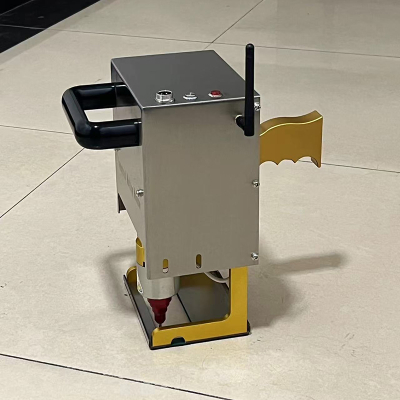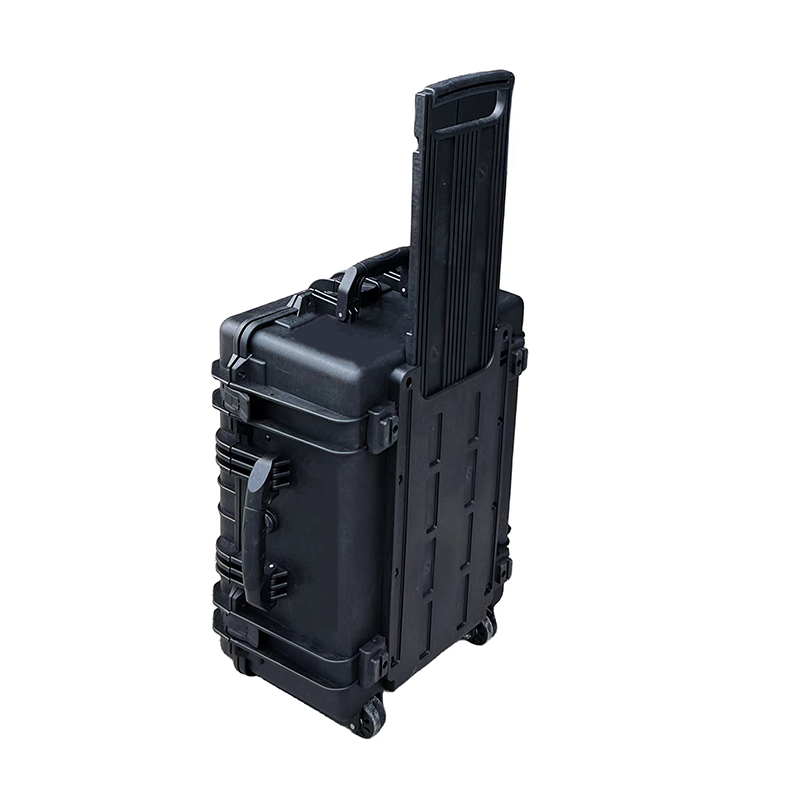
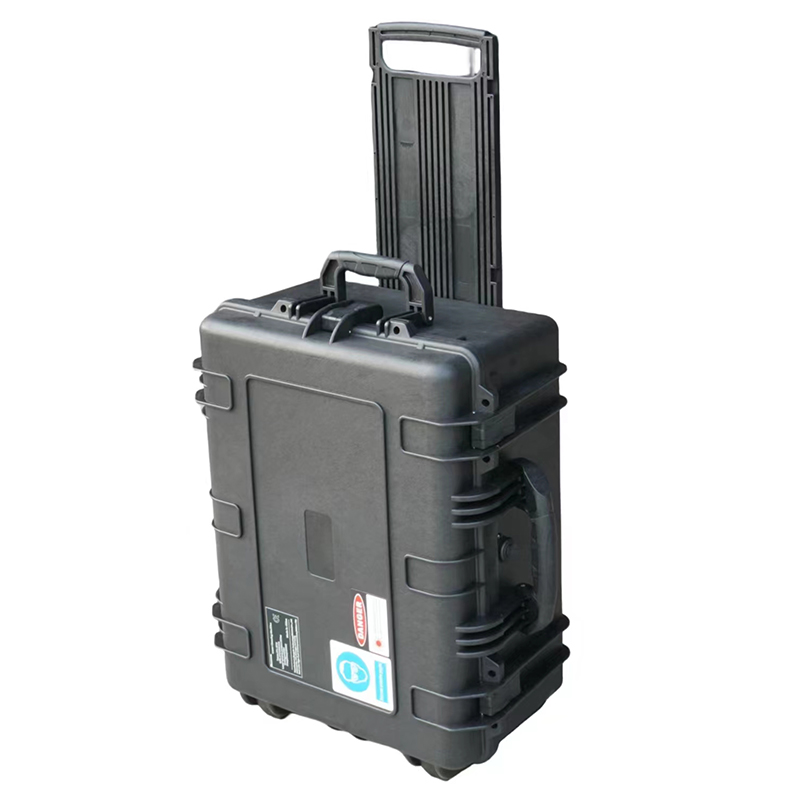
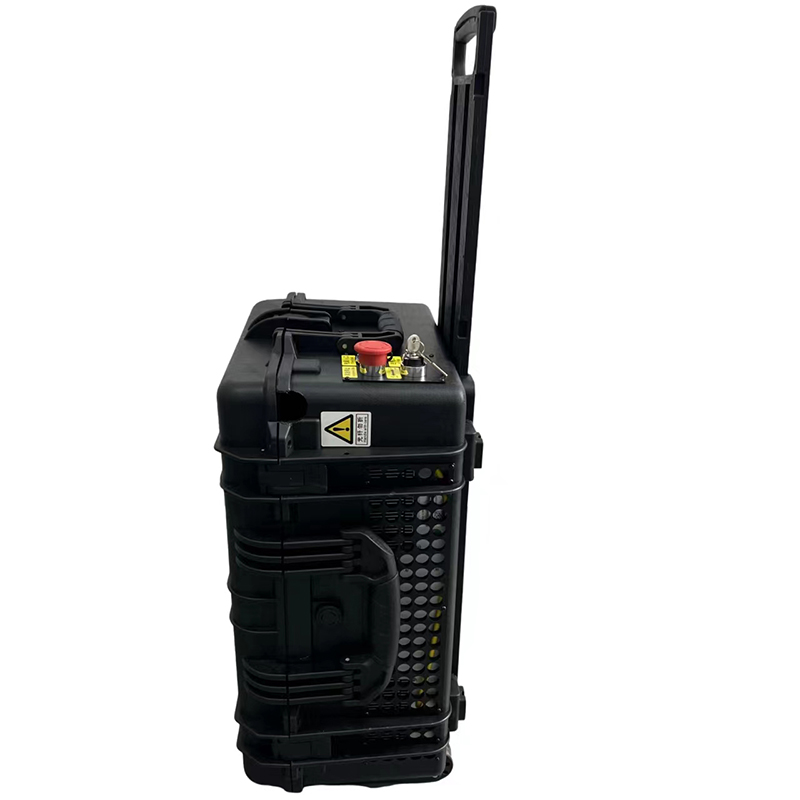
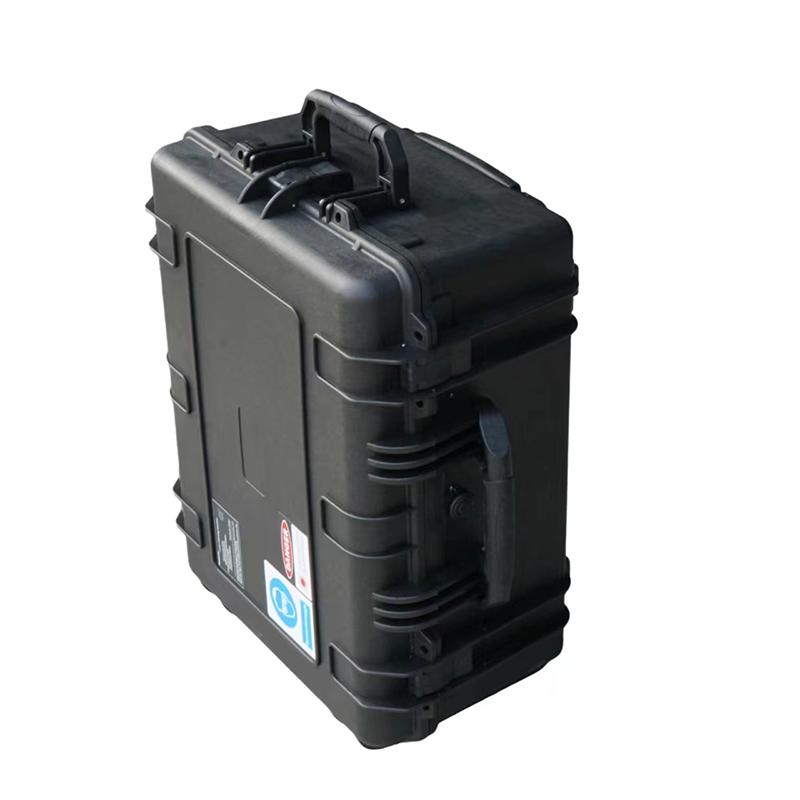
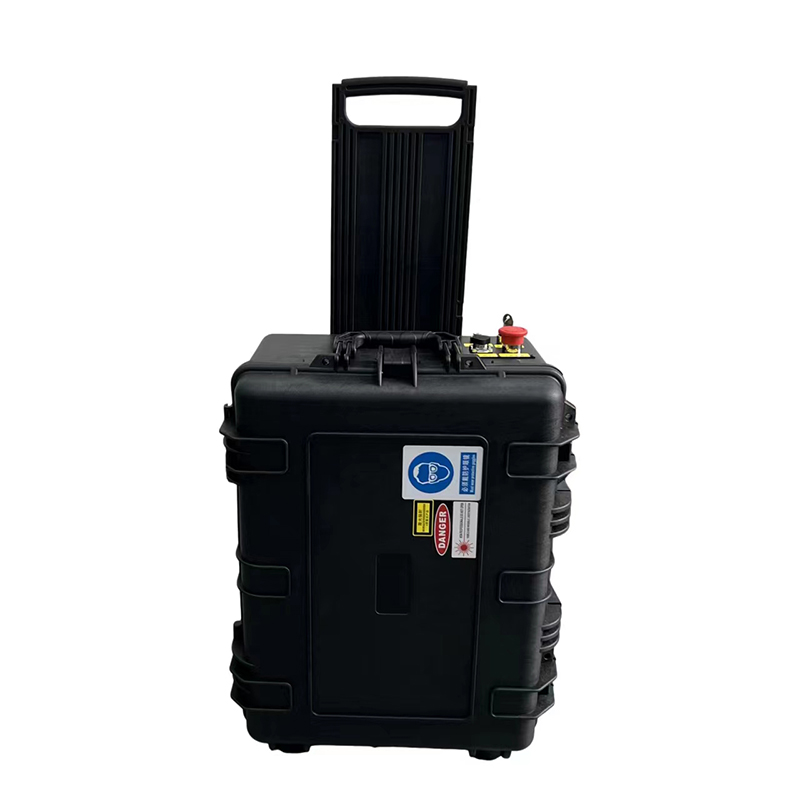
High Quality Portable Laser Cleaning Machine
1. Cost - Effective in the Long Run
Although the initial investment might seem significant, portable laser cleaning machines offer long - term cost savings. There's no need to constantly purchase and replace consumables like cleaning chemicals or abrasive media. Their energy - efficient operation also helps cut down on utility bills. Additionally, by minimizing the risk of damaging workpieces during cleaning, they reduce the cost of rework and replacement, making them a cost - effective option over time.
2. Versatile Cleaning Capabilities
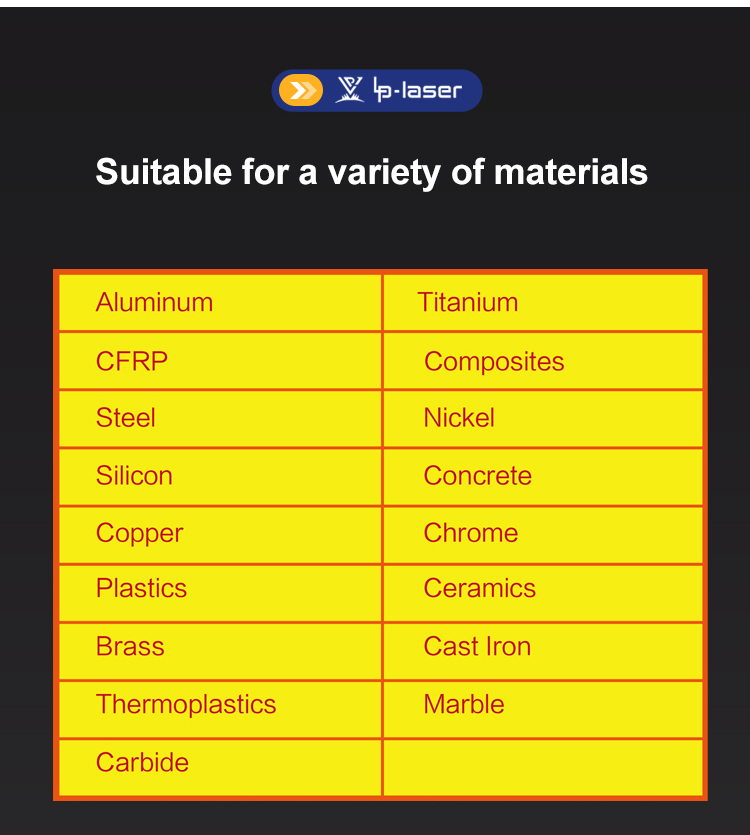
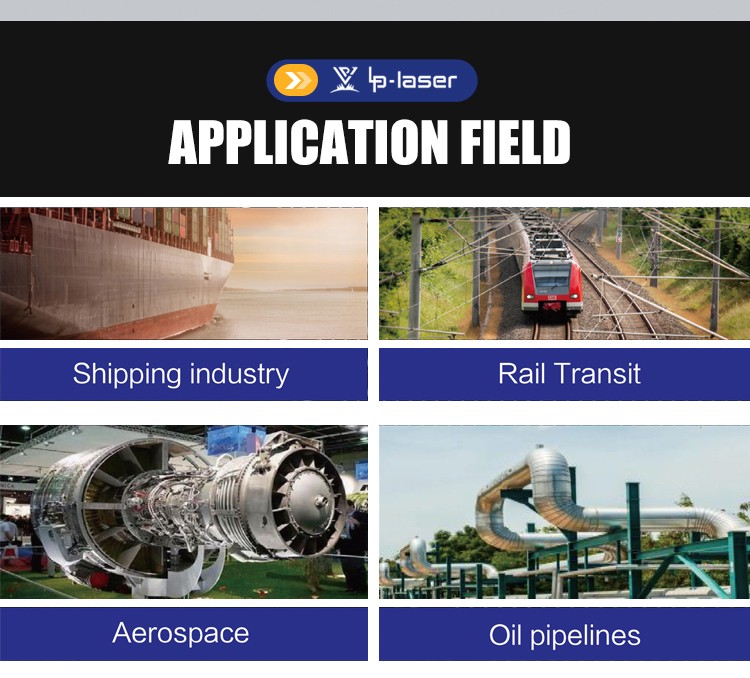
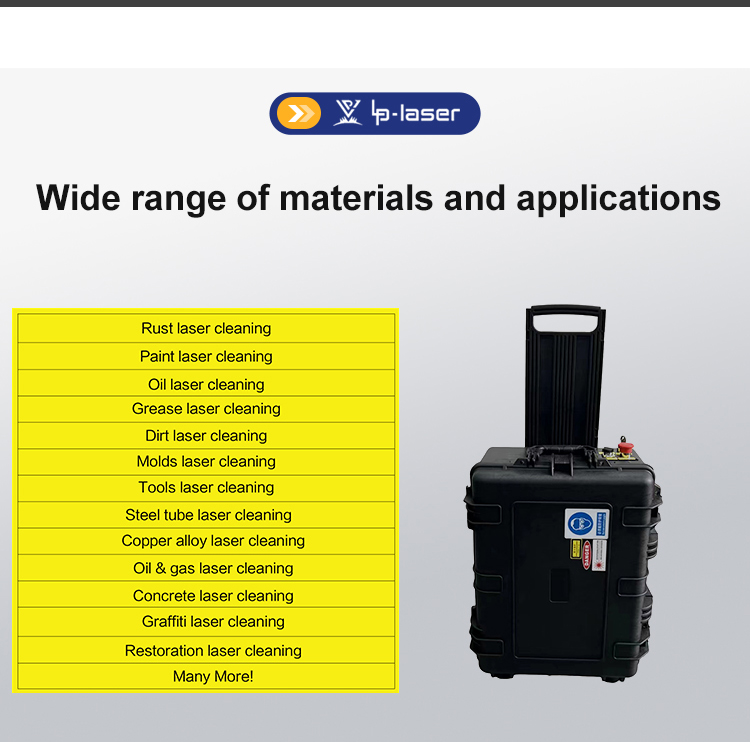
These machines can be used on various materials, including different types of metals (such as steel, aluminum, copper), plastics, and even some ceramics. They are effective in removing diverse contaminants, adapting to different cleaning requirements. Whether it's preparing a metal surface for painting, welding, or removing corrosion from historical artifacts, the adjustable laser parameters allow for customized cleaning solutions across multiple industries, from automotive to art restoration.
3. Precise and Customizable Cleaning
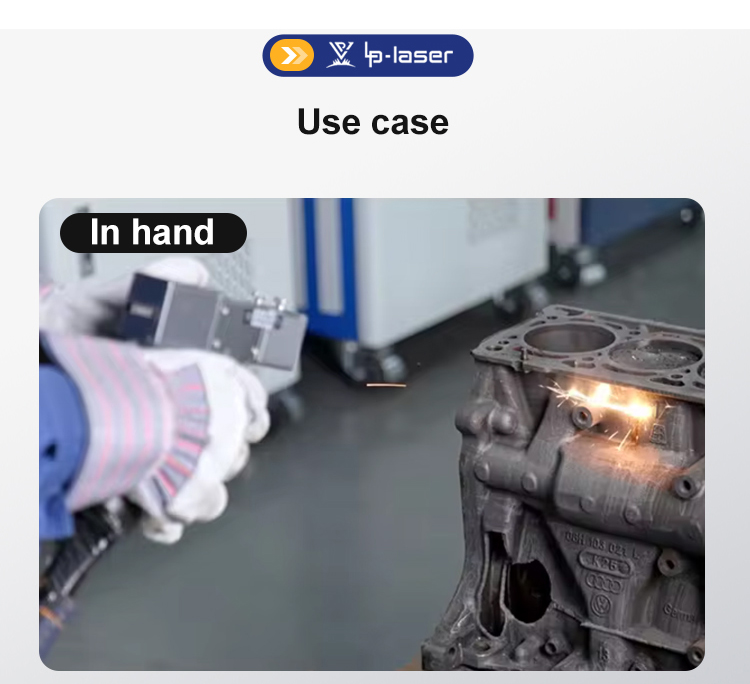
The laser beam can be precisely controlled, allowing for pinpoint cleaning of specific areas. Operators can adjust parameters like laser power, pulse duration, and scanning speed according to the cleaning task at hand. This precision is especially useful for cleaning complex - shaped parts, small components, or when only certain areas of a surface need to be treated. It ensures that the cleaning process is tailored to the exact requirements, achieving optimal results while minimizing unnecessary cleaning of adjacent areas.
Product introduction
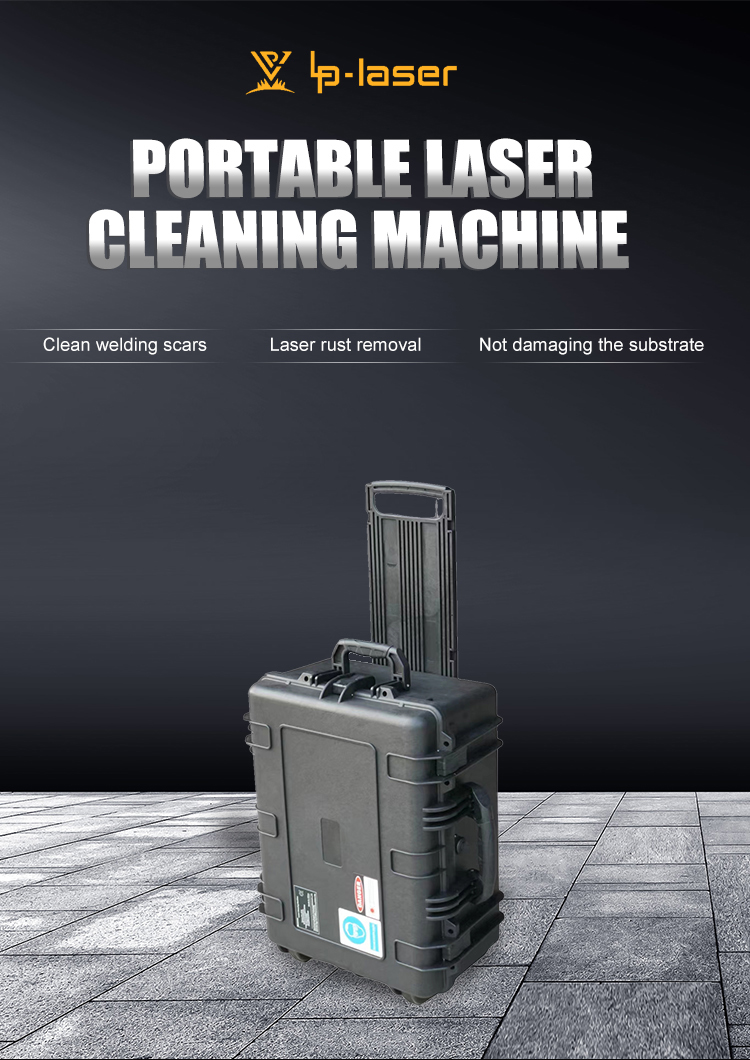
Laser ray cleaning technology is not only widely used in the cleaning of molds, but also become a method of cleaning various workpieces in the processing process. As an innovator of traditional cleaning technology, the reason for its success lies in its unique and significant advantages.
First of all, laser cleaning completely gets rid of the need for chemical cleaning agents, but also eliminates the trouble of dealing with the waste after cleaning. This not only greatly reduces operating costs, but also greatly simplifies the cleaning process, making the whole process more environmentally friendly and efficient.
Second, the accuracy of laser cleaning technology is impressive. By precisely controlling the focus and energy distribution of the laser beam, the target area can be cleaned efficiently and precisely, while avoiding any damage to the surrounding area. This non-contact cleaning method effectively protects the integrity of the workpiece surface and ensures its processing quality.
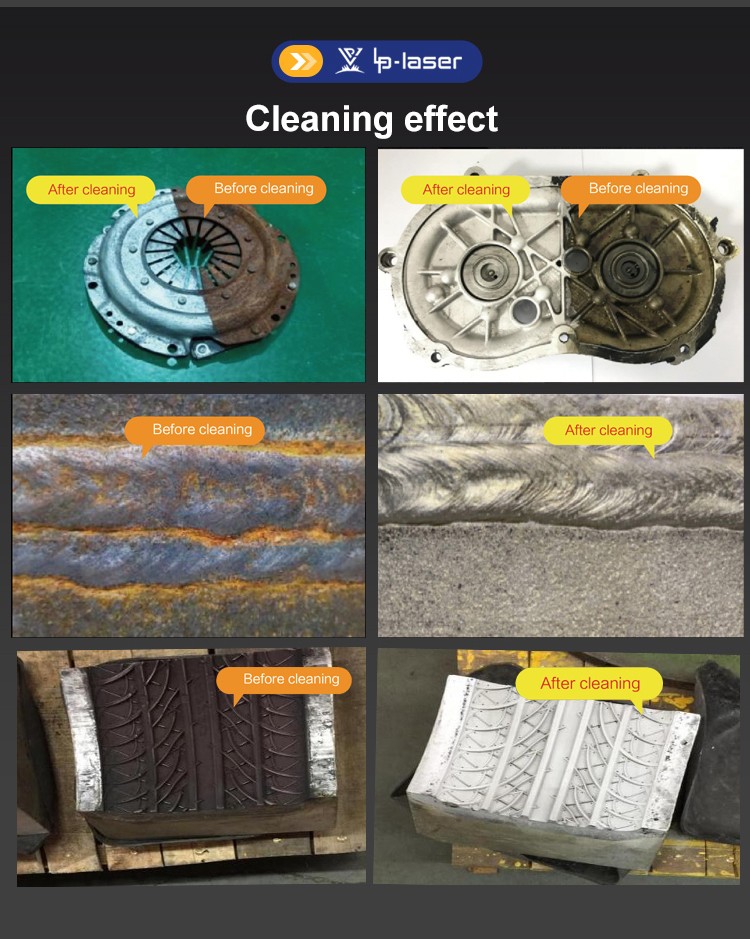
Most importantly, the laser cleaning technology has shown excellent cleaning results. Even those hard-to-remove oxides, dust particles, and stubborn impurities formed by polymer lubricants can quickly evaporate under laser light, leaving no trace. This efficient cleaning capability makes laser cleaning technology ideal for handling complex, fine workpiece cleaning tasks.
In addition, the surface quality of the workpiece after laser cleaning is good, smooth and no residue, which provides ideal conditions for subsequent processing operations. For example, the surface of the workpiece after laser cleaning can be directly processed with high precision, such as laser welding, without additional processing or preparation steps, which greatly improves the processing efficiency and quality.

| Model: | HLC-P200W | HLC-P300W |
| Operational Voltage: | 220V±10%、50/60Hz Customizable: 110V, 50Hz AC | |
| Temperature: | 5℃~40℃ | |
| Humidity: | 30-85% Non-Condensing | |
| Power dissipation: | ≤1500W | ≤1500W |
| Power Output: | 200W | 300W |
| Laser Type: | Optical fiber | |
| Maximum Pulse Energy: | 2mJ | 2mJ/15mJ |
| Pulse Frequency Range: | 1-3000kHz(Gradient adjustable) | 1-3000kHz(Gradient adjustable) |
| Pulse Width: | 13-500ns tunable | 13-500ns tunable |
| Output Power Instability: | <5% | |
| Wavelength: | 1064 nm | |
| Head Cable Length: | 3 m | 5 m |
| Cooling: | Air cooling | |
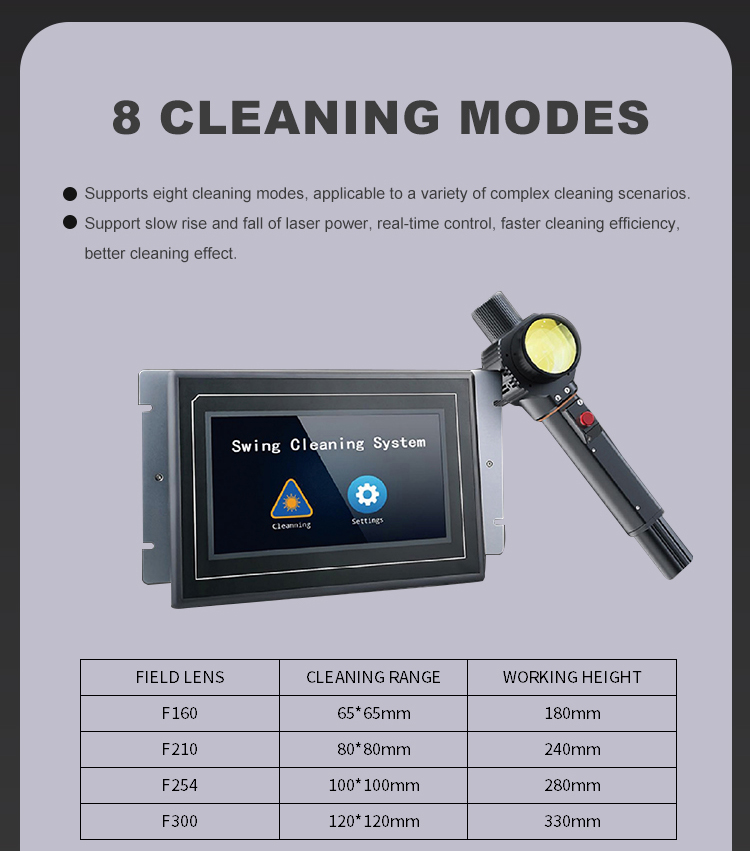
| Focus Distance: | 210mm | 210mm |
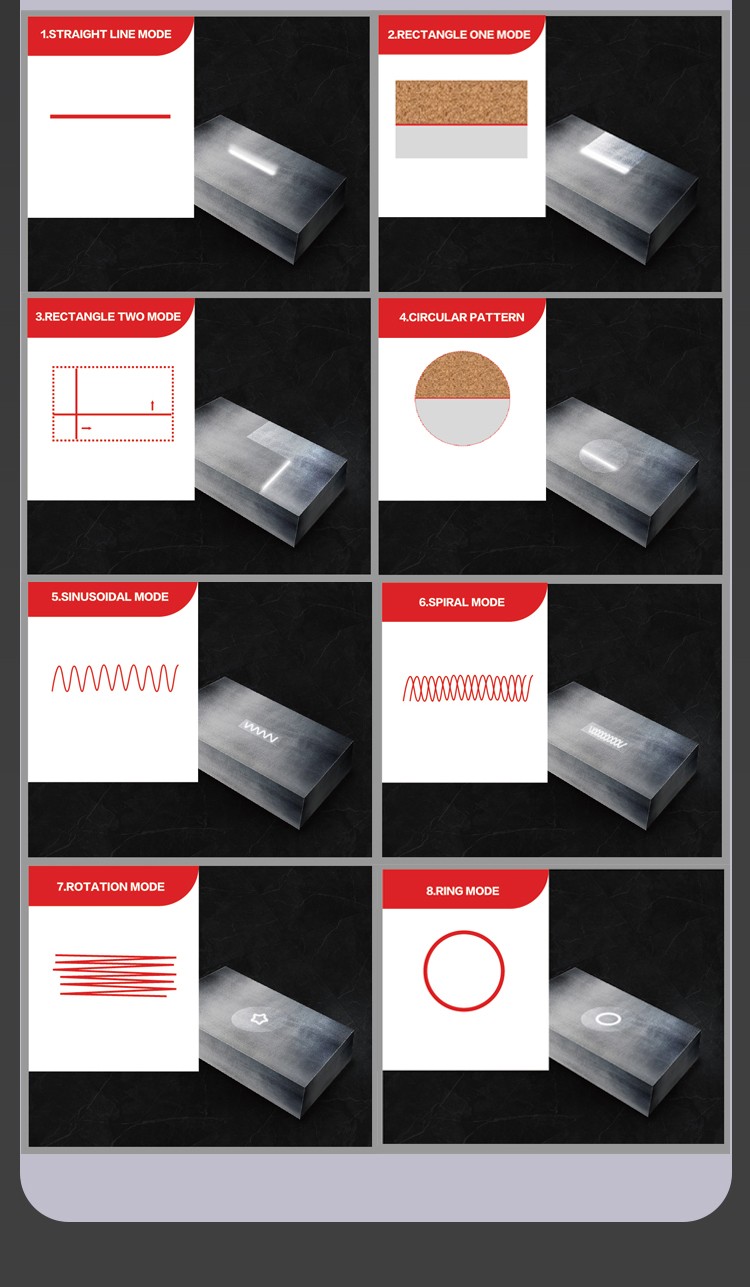
| Scanning mode: | Dual axis; Nine scanning modes are supported | |
| Head Weight: | ≤0.9Kg | ≤1.25Kg |
| Size W x H x D: | About 617mm*469mm*291mm | |
| Box Dimensions | About 760mm*560mm*460mm | |
| Entire Unit Weight: | About 28Kg | About 29Kg |
| Packed weight: | About 28.5Kg | About 49Kg |
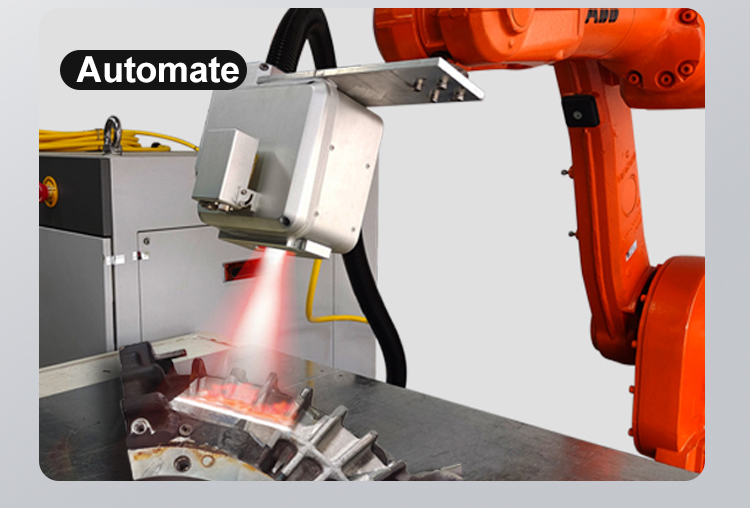
| Operation Mode: | Handheld/Automation | Handheld/Automation |
| Safety Class: | Level IV | Level IV |

Q1: Laser vs. sandblasting?
A: Lasers win on precision (0.1mm vs 1mm), no media cost, and no surface damage.
Q2: Laser vs. chemical cleaning?
A: Lasers eliminate hazardous waste disposal and are 5-10x faster for most metals.
Q3: Laser vs. dry ice blasting?
A: Lasers have lower operating costs but dry ice works better on some heat-sensitive materials.
Q4: Laser vs. ultrasonic cleaning?
A: Lasers handle larger parts and don't require liquid baths but ultrasonics work for intricate small components.
Q5: Laser vs. plasma cleaning?
A: Lasers offer better controllability; plasma is better for large-area organic contamination removal.